

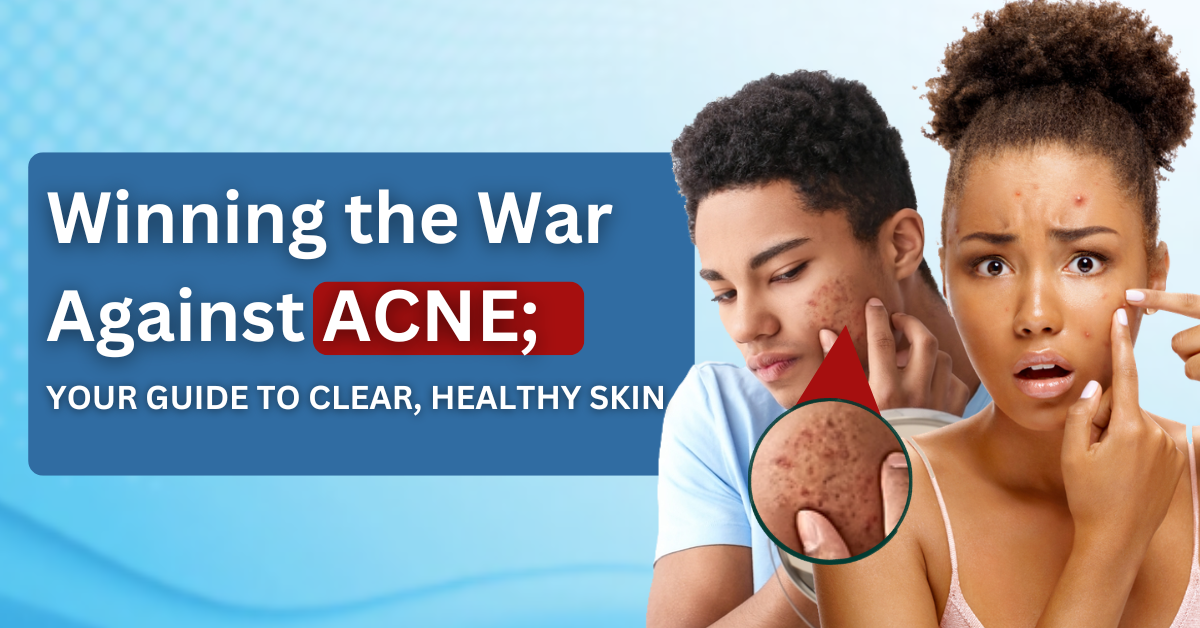
Acne (Acne Vulgaris) is a skin problem that millions of people worldwide suffer from. People may use the word acne interchangeably with pimples in sentences, but pimple is a class of acne. Not all forms of acne that people suffer from are Pimples. Nodules, blemishes, blackheads, and whiteheads are also forms of acne. It specifically appears on the face, chest, shoulders, etc. Colour and race have nothing to do with it.
Knowing the causes of your skin problem is important because, although non-fatal... Acne has changed lives, especially for teenagers and young adults. This article takes a look at the various causes of breakouts from happening. These include
Genetics
The human Gene is one of the common factors contributing to acne, and it is often put aside. Acne has a strong genetic component. In the body, things like skin sensitivity, the immune system’s response to Propionibacterium acnes (P. acne), or sebum production are all influenced by the human gene. One is most likely to experience acne if one or both parents have a history of acne.
Bacterial Overgrowth
An overgrowth in bacteria is another factor that contributes to acne. Propionibacterium acnes (P. acnes) reside naturally on the surface of our skin. These bacteria feed on sebum, which helps lubricate our skin. When the population of this bacterium explodes, it leads to inflammation and the formulation of pimples and whiteheads with pus.
Hormonal Imbalances
Acne development is associated with hormonal fluctuation, particularly during puberty. This causes an increase in androgens like testosterone, which increases the activity of sebaceous glands in the body, resulting in more production of oil (sebum), meant for the lubrication of skin & hair. But too much of it can clog pores and lead to bacteria growth, resulting in inflammation. Aside from these, hormonal changes from pregnancy and menstrual cycles are also factors for acne incidents in women.
Follicular Hyperkeratosis
Follicular hyperkeratosis is a type of skin condition caused by the excessive development of keratin or dead skin cells in hair follicles. These accumulations trap oils and cause bacteria to well up in the skin, causing pimples.
Diet
Research has suggested that diet can play a role in influencing how severe acne is. Some people may break out when consuming high-glycemic index foods (sugary and refined carbs) or dairy products.
Medication
Sometimes medications could cause or worsen the case of acne. This is what we refer to as medication-induced acne.
Other external factors
These include dirty pillows, tight clothing friction, harsh soaps and cleansers, etc.
Management and Treatment Options
With how bad we might think acne is, the good news is that it can be treated based on the type and severity of your acne. Instead of using different products to stop acne, know and understand its root cause and meet a dermatologist who can then recommend various treatment options. These various treatment options may include:
- The use of antibiotics to fight against bacteria and hormonal contraceptives to help regulate hormonal imbalance in women are also important.
- The use of Light therapy to kill P. acne bacteria and reduce inflammation.
- Extraction or Acne removal (whiteheads and blackheads) with tools like comedone extractor, lancets, etc.
- The use of over-the-counter medications like benzoyl peroxide and triple action creams like Tribact, Ketineal, etc., to help exfoliate dead skin cells or kill bacteria.
- Washing your face twice a day with lukewarm water and a non-harsh soap to remove excess oil and dead skin cells, clear debris, and prevent bacteria growth.
- Daily face moisturizing to reduce irritation, avoid over-drying, balance oil production, and give your skin a smooth texture, etc.
- Keeping your hands off your face to avoid picking your pimples or scrubbing them. It would only worsen the issue.
- Eating healthily and properly, and also stress avoidance to regulate hormones, prevent inflammation, and support skin health.
It is important to note your skin type when trying to manage your acne. For example, those with oily skin should choose an oil-free moisturizer to avoid clogging of their pores. Remember that acne treatment takes time to produce results. So be patient and do not rush it. Be consistent with your treatment plan, and always consult your dermatologist in case of complications.
