
Have you ever wondered why you often find yourself treating malaria? This may be because the malaria in your body has become resistant to your anti-malaria medication. Resistance occurs when a disease-causing organism, bacteria, viruses, parasites, or fungi, no longer responds to a drug that used to work against it. This is because the organism mutates or develops ways to survive despite the presence of medicine. In malaria, drug-resistant parasites can survive and multiply even after a person takes antimalarial medicine. If bacteria become antibiotic-resistant, an antibiotic used to kill them would no longer be effective.
Causes of Drug Resistance
Resistance does not happen overnight; it builds up over time. This buildup is a result of the misuse or overuse of medicines. Your one-time misuse might not immediately lead to resistance, but when it occurs frequently, it builds up, leading to drug resistance. These misuses or overuses can come in various forms, which include:
Incomplete medication:
Stopping medications or not finishing your dose, because you feel better, helps some organisms or parasites survive, adapt, and become resistant.
Unnecessary medication use:
Taking medicines when they are not needed, for example, using an antibiotic to treat a viral infection like the common cold, doesn’t cure the illness. Instead, it exposes bacteria in the body to antibiotics, which can make them resistant and harder to treat in the future.
Taking counterfeit or substandard drugs:
When we use substandard drugs, they may not fully kill the parasites. This incomplete treatment gives the parasites time to adapt and develop resistance.
Incorrect Timing of Dosage:
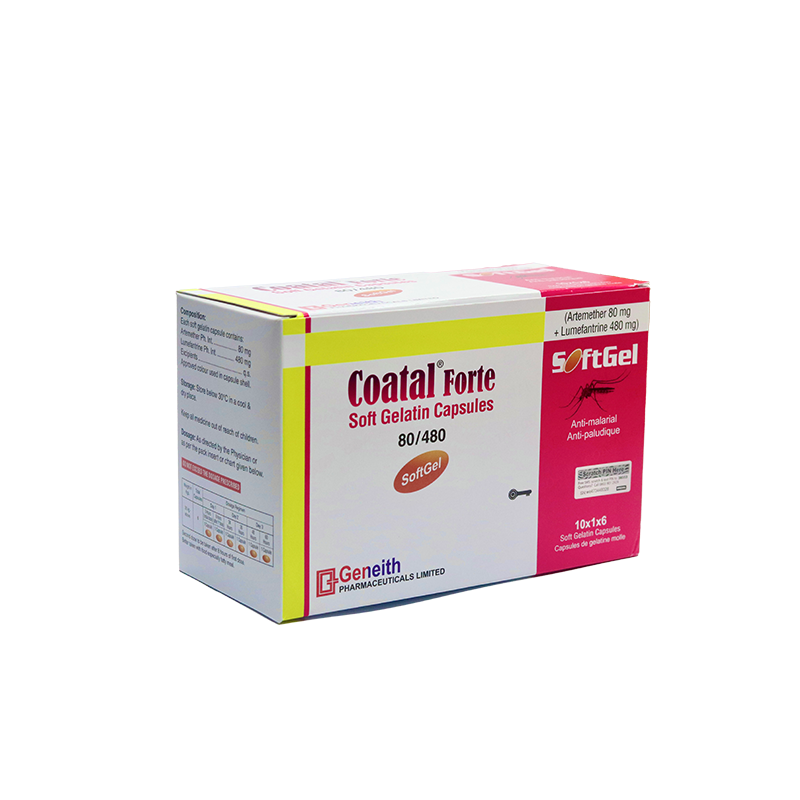
An Artemether-lumefantrine combination, such as Coatal soft gel, should be taken as follows: a second dose 8 hours after the first one on day 1, and then every 12 hours on days 2 and 3. Incorrect timing may allow parasites to survive and develop resistance.
Sharing Medication:
Splitting doses between family or friends, leading to under-dosing. Sharing meds reduces effective dose and can cause under-dosing, encouraging parasites or bacteria to develop resistance.
How to Prevent Resistance
- Complete your full dose of medication, even if you feel better.
- Never self-medicate
- Use only standard medicines from trusted pharmacies and confirm that they are NAFDAC-approved.
- Avoid unnecessary use of medication.
- Always follow the accurate timing of your dosage.
- Following public health actions:
Good hygiene, Vaccinations, the use of mosquito nets, community and personal sanitation, etc., help reduce the spread of infections, so fewer medicines are needed in the first place.
Can Drug Resistance be Treated?
Drug resistance itself cannot be treated directly because it is not an illness in the person, but a property of the organism (such as viruses, malaria parasites, or bacteria). Once an organism or parasite become resistant to a particular medication, that medication will lose its efficacy against them.
But here is a list of ways doctors and scientists manage it:
Using alternative medicines
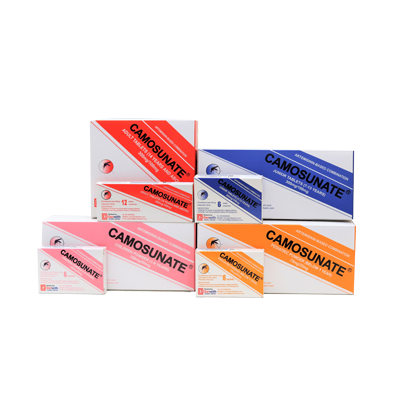
When a drug no longer works because of resistance, doctors switch to a different class of medicines that the parasites are still sensitive to. For example, in Nigeria, malaria parasites are becoming resistant to artemether-lumefantrine combination and Chloroquine prompting the introduction of artemisinin-based combination therapies (ACTs), like artesunate-amodiaquine (Camosunate).
Combination Therapies
Combination therapies like artesunate-amodiaquine, e.g., Camosunate, make it harder for the parasite to survive and develop resistance. The good thing about Camosunate is that it also has a residual protection, thanks to the amodiaquine component, which has a half-life of over 30 days.
Longer treatment with caution
Doctors also use longer treatment or adjust dosing. Although this is mostly used with caution to avoid side effects.
Preventing further misuse
Even if resistance develops, it can be contained by good hygiene, vaccines, mosquito control, and proper medicine use. Thereby, limiting the use of the medicine.
Conclusion
Drug resistance has posed as a huge stumbling block in not just medicine, but in public health. It has made common illnesses like malaria longer, harder, and more expensive to fight and eradicate. While drug resistance cannot be treated directly once it develops, it can be slowed down. The effectiveness of our medicine can also be protected by taking medications appropriately. Completing the prescribed doses, saying no to self-medication, following proper dosage timing, and using only standard drugs are simple but powerful steps everyone can take. Through combined effort, completing prescriptions, avoiding self-medication, and using only quality drugs, we can preserve the power of antimalaria medicine like Camosunate and Coatal, and prevent future generations from the dangers of drug resistance.